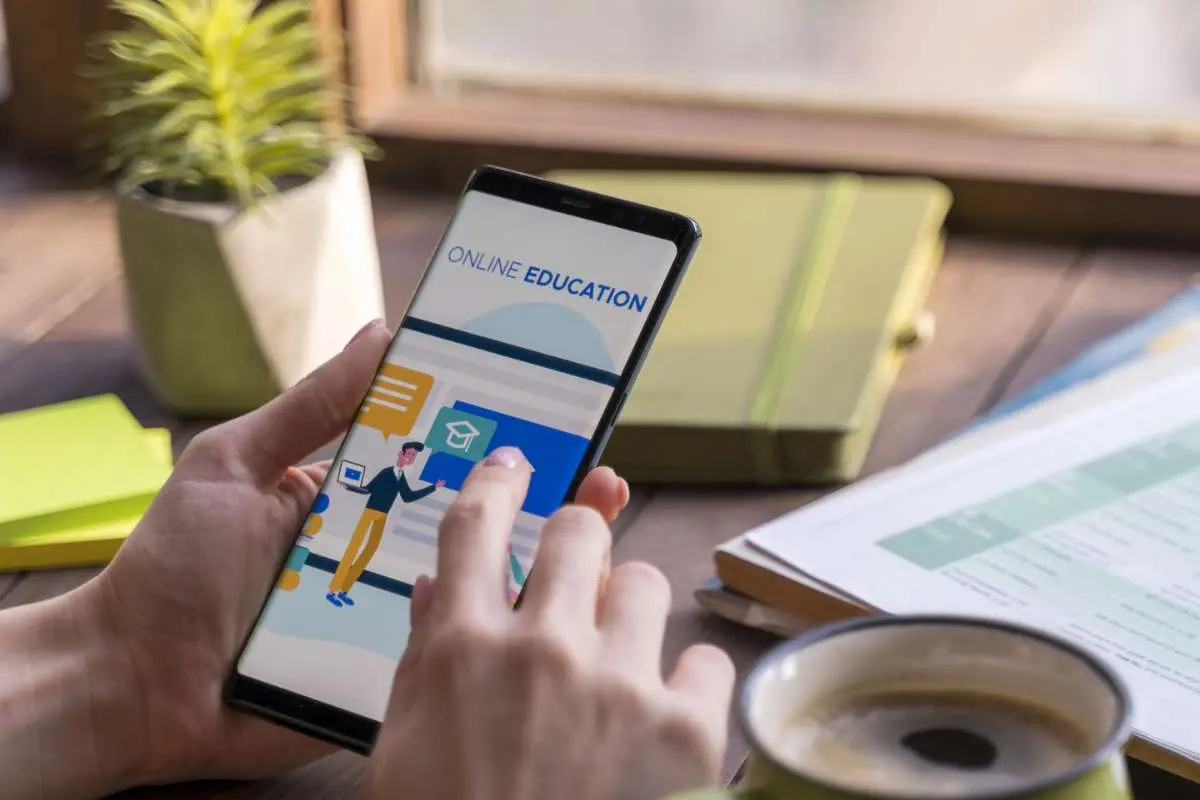
Training should not depend on a desk, classroom, or narrow office schedule. A mobile learning management system places lessons, assessments, reminders, and progress records on devices people already use. That matters for staff in clinics, stores, vehicles, homes, and remote sites. With thoughtful content and an accessible design, learning becomes easier to start, pause, resume, and apply during real work.
Access beyond desks
Practical access begins with mobile-first course delivery. Learners need clear menus, readable screens, saved progress, and touch-friendly activities across phones or tablets. A well-selected mobile LMS centralizes lessons, quizzes, alerts, and records in a single portable system. That structure helps training fit into daily routines rather than depending on location, timing, or computer availability.
Why mobility matters?
Many workers do not spend their day near a shared computer. Nurses, retail associates, delivery crews, technicians, and community workers move constantly. Portable training reduces wait time by ensuring updates reach the people who need them. Safety steps, product changes, and service procedures become easier to review before the next task begins.
Better time use

Short lessons match the way busy people learn at work. A five-minute refresher can reinforce one procedure before a shift or client visit. Practice near the point of need improves recall. Longer sessions still have value, especially for discussion, coaching, or judgment-based topics. A mobile learning management system handles the repeatable material with less disruption.
Support for remote teams
Remote and distributed teams need consistency without forcing everyone into one meeting slot. Mobile platforms can deliver the same course across regions, roles, and schedules. Learners complete assigned content when work demands allow. Administrators still track progress, scores, and completion dates. That balance protects flexibility while keeping training accountable.
Offline learning
Unstable connectivity should never stop required education. Many mobile systems allow course downloads, offline quizzes, and later syncing. This aspect is beneficial for field teams, travelers, warehouse staff, and rural learners. People can complete a lesson during a service gap and upload their results once the connection returns. Fewer interruptions mean better completion rates.
Accessibility features

Mobile learning management systems improve inclusion when course creators plan accessibility early. Captions, transcripts, screen reader support, adjustable text, and strong contrast help more learners participate. Navigation must stay simple. Touch targets need enough space for accurate selection. Clean layouts reduce visual strain and help users focus during crowded shifts or time-limited breaks.
Data that guides training
A mobile platform can show how learning performs in practice. Leaders can review completion rates, quiz results, time spent, retries, and missed items. Patterns reveal weak content. If many learners fail one question, the instruction may be unclear or incomplete. Better evidence helps teams revise lessons with purpose instead of relying on guesswork.
Personal learning paths
Different roles need different knowledge. A sales associate may need product details, while a technician may need repair sequencing. Mobile learning management systems can assign courses by job, site, certification, or skill level. This approach keeps learners from sorting through irrelevant material. Administrators gain order, while users receive instruction that reflects their responsibilities.
Microlearning works well

Phone screens favor focused lessons. Microlearning divides a subject into small units, each with a clear outcome. A module might cover one safety check, one software action, or one customer response. This aspect lowers cognitive load and improves retention. Updates also become easier because teams can revise one unit without rebuilding an entire course.
Engagement without clutter
Engagement features should serve learning, not distract from it. Reminders, badges, discussions, and quick checks work best when used with restraint. Push notifications can prompt overdue work or announce new content. Short quizzes confirm retention before the next assignment. A quiet interface keeps attention on the lesson and reduces avoidable friction.
Faster compliance updates
Regulated organizations need proof that people understood the current information. Mobile platforms can distribute policy changes quickly and record acknowledgments. This aspect matters for safety, privacy, finance, healthcare, and workforce training. Administrators can identify gaps before audits, inspections, or incidents. Timely reporting gives leaders a clearer view of exposure across locations.
Cost and scale

Mobile delivery can reduce travel, room bookings, printed materials, and repeated instructor hours. It also helps growing teams add learners without having to wait for another class date. Costs still deserve careful review, including licensing, support, migration, security, and integrations. Return improves when platform selection follows audience needs, job tasks, and measurable training goals.
Choosing the right fit
Selection should begin with use cases rather than feature lists. Teams should assess device support, offline access, reporting, security, integrations, accessibility, and content formats. Pilot testing reveals practical issues before launch. Learner feedback is essential because daily users notice friction early. A strong fit makes training easier to manage and complete.
Conclusion
A mobile learning management system makes education more reachable, measurable, and useful for active work environments. It helps people learn during natural pauses, across different locations, and without constant connectivity. Organizations gain clearer data, faster updates, and wider participation. Strong outcomes depend on concise lessons, accessible design, and careful platform choice. When those elements align, learning becomes part of daily performance rather than a separate event.