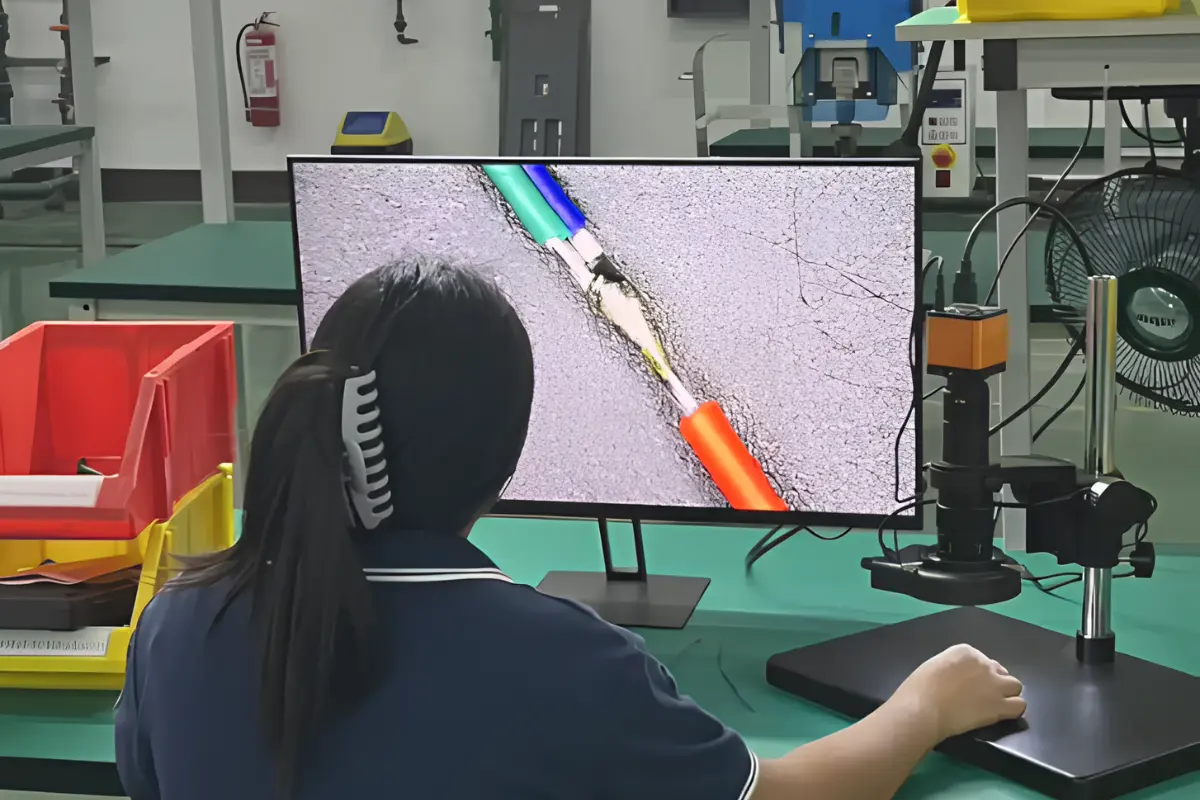
In advanced industries like optics, data storage, semiconductors, and aerospace, thin film quality decides how well a product performs. Even the smallest variation in coating thickness can lead to performance issues or a reduced component life.
To achieve perfect coatings, many manufacturers rely on Physical Vapour Deposition (PVD), a process that demands precision at every step. While the target material often gets the spotlight, there’s an unsung hero behind stable and efficient coating performance: PVD vacuum bonding.
This bonding process helps sputtering targets manage heat, handle stress, and produce thin films that remain consistent across multiple runs.
Here’s what we’ll cover:
- What PVD vacuum bonding is
- How it boosts target performance
- Why it’s crucial for achieving high-quality thin films
What Is PVD Vacuum Bonding?
Understanding the Process in Simple Terms
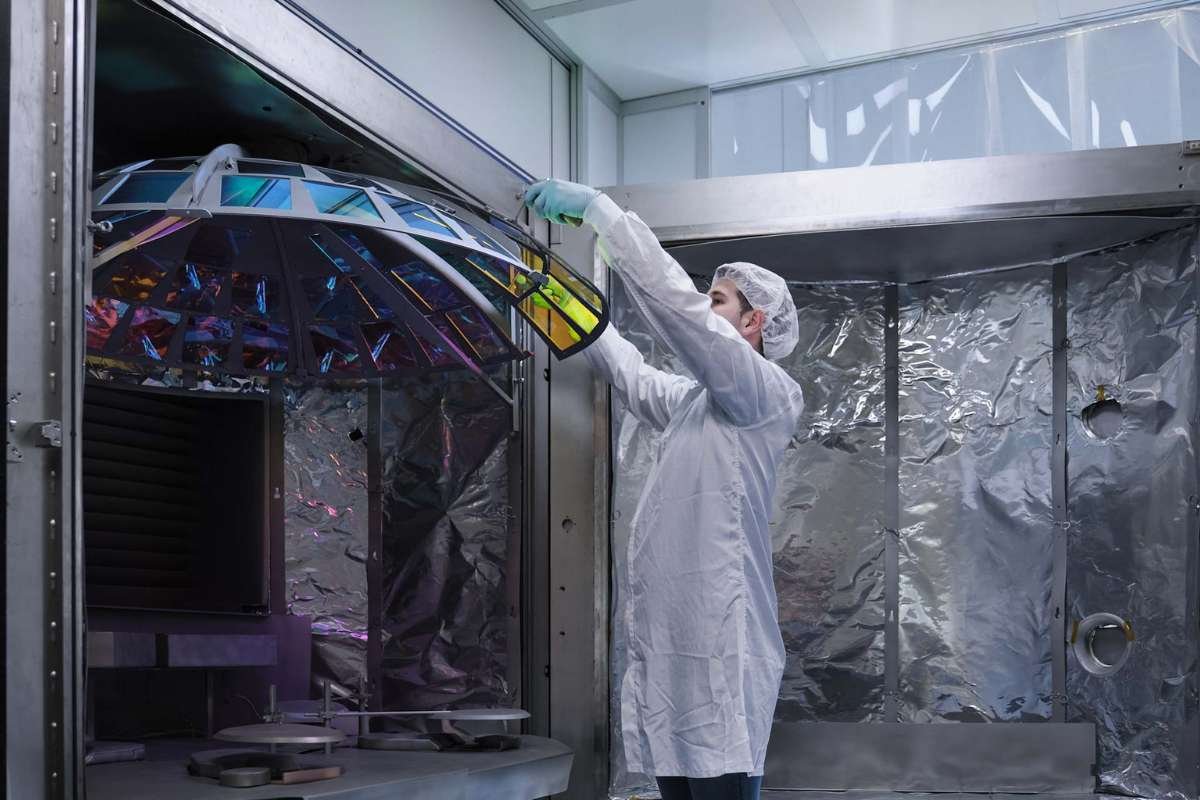
PVD vacuum bonding is the method of joining a sputtering target to a backing plate inside a vacuum chamber. This vacuum environment ensures a clean and strong connection between the two components, free from air, moisture, or impurities.
The main goal is to improve heat transfer, stability, and lifespan, all essential for long-term reliability in sputtering systems.
Key Purposes of PVD Vacuum Bonding:
- Enhance heat transfer between target and backing plate.
- Improve mechanical stability during sputtering.
- Prevent voids, delamination, or contamination.
- Extend the overall lifespan of sputtering targets.
Why Vacuum Conditions Matter?
Bonding in vacuum conditions generates a pure and uniform interface between surfaces. Without air or oxygen, oxidation cannot occur, meaning the bond remains clean and strong.
You can imagine it as sealing two pieces of glass together without any bubbles. That tight, bubble-free seal allows perfect contact and even energy distribution during coating.
How PVD Vacuum Bonding Improves Target Performance?
Superior Heat Transfer and Thermal Management
During sputtering, intense energy hits the target surface, producing heat. If this heat isn’t managed properly, it can lead to cracks, uneven coatings, or even complete target failure.
PVD vacuum bonding allows for smooth and consistent heat flow between the target and backing plate. This ensures that temperatures remain stable even under high energy, improving both coating consistency and system longevity.
Comparison Table: Heat Transfer by Bonding Type
| Bonding Type | Thermal Conductivity | Ideal For | Notes |
| Indium Bonding | Excellent | Moderate power sputtering | Highly flexible, absorbs stress |
| Diffusion Bonding | High | High-power or reactive systems | Creates a metallurgical bond |
| Elastomer Bonding | Moderate | Temporary/rework setups | Easier to debond and clean |
Increased Target Stability and Reliability
Strong bonding prevents deformation or cracking of the sputtering target. When the bond layer distributes mechanical and thermal stress evenly, the target remains stable and performs reliably.
A target with poor bonding is like a drum stretched too tightly; it only takes one hard hit to make it fail. Vacuum bonding helps avoid that by cushioning the system and balancing pressure.
Reducing Delamination and Downtime
If the bond isn’t strong or even, the layers might start to peel apart, a process known as delamination. This not only damages the target but also stops production and increases cost.
With PVD vacuum bonding, the joints are solid and consistent as they are. This minimises downtime, cuts maintenance needs, and increases the working life of the components.
The Impact of Vacuum Bonding on Thin Film Quality
Achieving Uniform Film Deposition
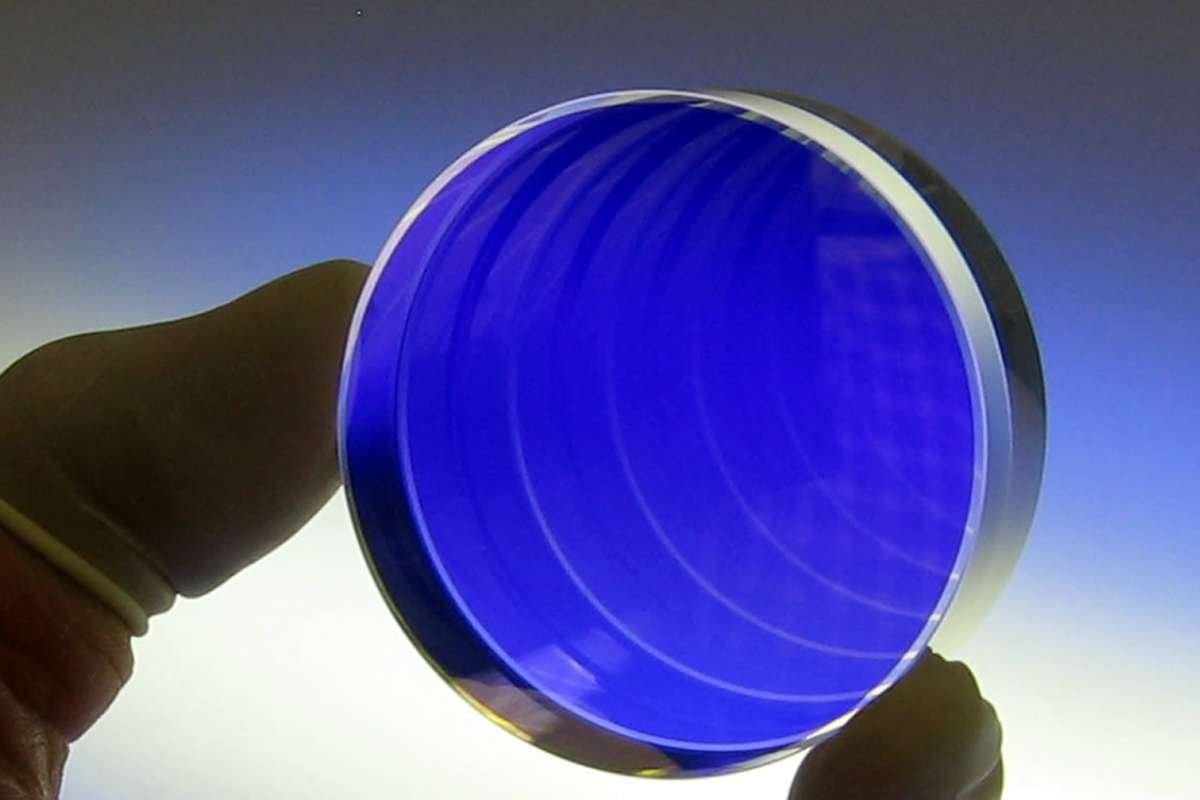
Uniform film deposition is critical for optical clarity, electrical performance, and mechanical strength. Throughout the process, vacuum bonding supports this by maintaining even heat and stress distribution.
When gas pockets or voids appear, they interrupt plasma stability and create rough coating patterns. A clean, well-bonded surface keeps the layers even and the film perfectly smooth.
Cause & Effect Table: Vacuum Bonding and Film Quality
| Bonding Condition | Impact on Film Quality |
| Uniform vacuum bonding | Even film thickness, fewer defects |
| Air-gapped bonding | Uneven coating, delamination risk |
| Contaminated bonding surface | Film impurities, reduced adhesion |
Enhancing Repeatability and Yield
Repeatability is everything in mass production. Each sputtering run should produce the same film quality as the last. Vacuum bonding makes this possible by maintaining stable contact and consistent performance between the target and the backing plate.
This results in a higher yield; you get more output, less waste, and lower overall costs. When every target performs consistently, production becomes predictable, and that’s crucial for industries like semiconductors and optical manufacturing.
Supporting High-Purity Applications
In applications where they demand extreme cleanliness, such as microelectronics or optical coatings, contamination can’t be tolerated. Vacuum bonding supports these requirements by creating oxide-free joints and preventing impurities from entering the film.
That’s how manufacturers achieve ultra-clean, high-purity coatings for sensitive technologies.
Choosing the Right PVD Vacuum Bonding Method
Indium vs. Diffusion: Which One Fits Your Needs?
Not all bonding methods suit every application. The choice depends on your process temperature, system design, and required flexibility.
Comparison Table: Indium vs. Diffusion Bonding
| Parameter | Indium Bonding | Diffusion Bonding |
| Temperature Limit | Up to ~200°C | Up to ~800°C |
| Bond Type | Soft, ductile | Metallurgical, rigid |
| Best For | Flexible heat transfer | Long-term, high-temp operation |
| Advantages | Easy to rework, high conductivity | Stronger, void-free bond |
Indium bonding provides excellent conductivity and flexibility. It’s ideal for medium-temperature systems where thermal expansion must be absorbed.
Diffusion bonding, on the other hand, creates a solid, permanent metallurgical bond. It’s better suited for high-temperature or reactive environments where long-term stability is key.
When to Consider Elastomer Bonding?
Elastomer bonding uses a flexible adhesive layer instead of a metal interface. It’s best for low-temperature or reworkable setups where the target needs to be replaced often.
Although its heat transfer capability is moderate, it offers convenience and flexibility for systems requiring frequent maintenance.
Why Partnering with the Right Bonding Provider Matters?
The Precision Factor
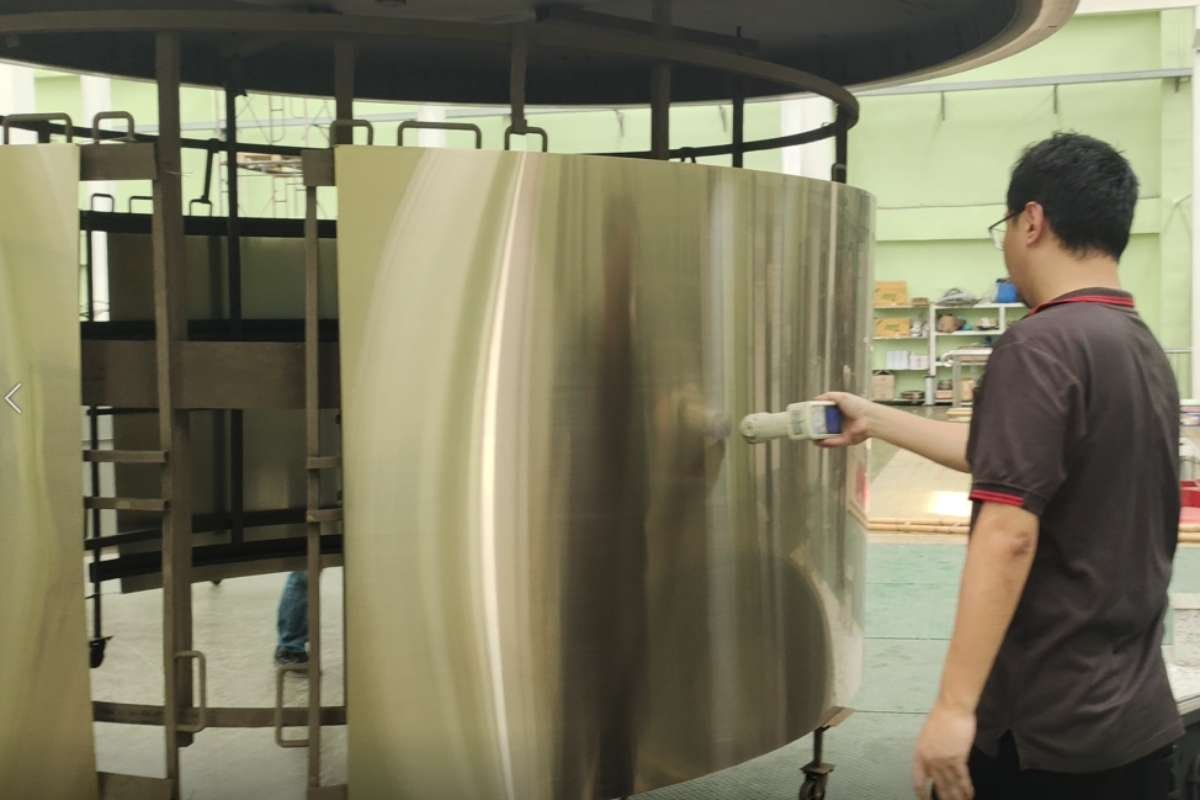
Every successful vacuum bond depends on precision, from machining accuracy to surface preparation and temperature control. Even tiny imperfections or dust particles can cause performance issues.
Working with a trusted provider ensures that each stage of bonding happens under strict, vacuum-controlled conditions to achieve consistent, defect-free results.
Trusted PVD Vacuum Bonding Expertise
For engineers and manufacturers seeking reliable PVD vacuum bonding services designed for superior heat transfer and film quality, VEM offers ISO-certified solutions supported by decades of experience.
Why Choose VEM:
- Expertise in indium, diffusion, and elastomer bonding.
- Vacuum-controlled processes that prevent oxidation.
- Proven success across semiconductor, optics, and aerospace industries.
VEM’s precision bonding technology ensures every target performs consistently and every coating maintains its quality over time.
Conclusion: The Foundation of Film Quality Lies in the Bond
PVD vacuum bonding might not be the most visible part of thin film production, but it’s the one that defines the outcome. A solid, uniform bond leads to better stability, longer life, and cleaner coatings.
When manufacturers give bonding quality the same priority as target materials or chamber design, the difference shows in performance, reliability, and overall yield.
A perfect film begins with a perfect bond, and that’s exactly what vacuum bonding delivers.
FAQ’s
Q1. What is PVD vacuum bonding?
A. It’s the process of joining a sputtering target and backing plate in a vacuum environment to achieve a clean, strong, and thermally conductive bond.
Q2. What are the advantages of vacuum bonding over standard bonding?
A. Vacuum bonding prevents oxidation and contamination, ensuring better adhesion, improved heat flow, and longer target life.
Q3. Which bonding method is best for PVD applications?
A. Indium bonding works best for flexible, medium-temperature systems. Diffusion bonding suits high-power, high-temperature applications that need maximum stability.
Q4. How does vacuum bonding affect thin film quality?
A. Vacuum bonding keeps contact stable and heat evenly distributed, producing smooth, even coatings with fewer defects.