The wealth of elite Americans represents far more than just mind-blowing statistics. They provide a rapid measurement of innovation and global economic strength. Such as the quickly evolving disturbance and development through artificial Intelligence. Along with leaps and bounds in Space Technology. And the recent changes to the retail environment toward the Consumer. The new billionaires today are paving the way for the World’s next big opportunities. Monitoring these Elite Billionaires will reveal where investment capital is being directed. And what types of new ventures are likely to impact our world.
Join us as we dive deep into the detailed profiles and wealth metrics of the Richest People in America. We will be examining the industries they dominate. With the regional trends of their empires. And the outsized influence they have on economic policy and global culture.
Here are the Top 105 Contenders on the List of Richest People in America:
Find out about the exclusive group of America’s 105 richest people whose combined net worth represents the highest level of economic influence and financial success in 2026.
| Rank | Name | Primary Company / Source of Wealth | Estimated Net Worth |
| 1 | Elon Musk | Tesla, SpaceX, X (Twitter) | $472 Billion |
| 2 | Larry Ellison | Oracle | $342 Billion |
| 3 | Mark Zuckerberg | Meta Platforms (Facebook, Instagram) | $264 Billion |
| 4 | Jeff Bezos | Amazon, Blue Origin | $252 Billion |
| 5 | Larry Page | Alphabet (Google) | $233 Billion |
| 6 | Sergey Brin | Alphabet (Google) | $218 Billion |
| 7 | Steve Ballmer | Microsoft, LA Clippers | $186 Billion |
| 8 | Michael Dell | Dell Technologies, Investments | $166 Billion |
| 9 | Jensen Huang | Nvidia (Semiconductors) | $151 Billion |
| 10 | Warren Buffett | Berkshire Hathaway (Diversified) | $145 Billion |
| 11 | Jim Walton | Walmart | $128 Billion |
| 12 | Rob Walton | Walmart | $126 Billion |
| 13 | Alice Walton | Walmart | $125 Billion |
| 14 | Bill Gates | Microsoft, Investments | $122 Billion |
| 15 | Michael Bloomberg | Bloomberg L.P. | $109 Billion |
| 16 | Julia Flesher Koch & family | Koch Industries | $81.2 Billion |
| 17 | Charles Koch & family | Koch Industries | $73.8 Billion |
| 18 | Thomas Peterffy | Interactive Brokers (Discount brokerage) | $73.3 Billion |
| 19 | Jeff Yass | Susquehanna International Group (Trading) | $65.7 Billion |
| 20 | Stephen Schwarzman | Blackstone (Investments) | $51.9 Billion |
| 21 | Ken Griffin | Citadel (Hedge funds) | $50.4 Billion |
| 22 | Jacqueline Mars | Mars (Candy, Pet food) | $42.6 Billion |
| 23 | John Mars | Mars (Candy, Pet food) | $42.6 Billion |
| 24 | Lukas Walton | Walmart | $39.8 Billion |
| 25 | Miriam Adelson & family | Las Vegas Sands (Casinos) | $37.9 Billion |
| 26 | Phil Knight & family | Nike | $35.7 Billion |
| 27 | Abigail Johnson | Fidelity Investments | $35.0 Billion |
| 28 | MacKenzie Scott | Amazon, Philanthropy | $33.9 Billion |
| 29 | Thomas Frist, Jr. & family | HCA Healthcare (Hospitals) | $32.4 Billion |
| 30 | Marilyn Simons & family | Renaissance Technologies (Hedge funds) | $32.5 Billion |
| 31 | Len Blavatnik | Access Industries (Music, Chemicals) | $31.0 Billion |
| 32 | Elaine Marshall & family | Koch Industries | $30.9 Billion |
| 33 | Melinda French Gates | Microsoft, Philanthropy | $29.0 Billion |
| 34 | Henry Samueli | Broadcom (Semiconductors) | $27.7 Billion |
| 35 | Lyndal Stephens Greth & family | Energy/Oil & Gas | $27.4 Billion |
| 36 | Daniel Gilbert | Rocket Mortgage | $26.7 Billion |
| 37 | Eric Schmidt | Google, Investments | $26.8 Billion |
| 38 | Rupert Murdoch & family | News Corp, Fox Corp | $24.1 Billion |
| 39 | Robert Pera | Ubiquiti Networks (Wireless networking) | $24.0 Billion |
| 40 | Peter Thiel | Facebook, Investments | $23.9 Billion |
| 41 | David Tepper | Appaloosa Management (Hedge funds) | $23.7 Billion |
| 42 | Ernest Garcia, II | Carvana (Used cars) | $23.1 Billion |
| 43 | Steve Cohen | Point72 Asset Management (Hedge funds) | $23.0 Billion |
| 44 | Diane Hendricks | ABC Supply (Building supplies) | $22.3 Billion |
| 45 | Rick Cohen & family | C&S Wholesale Grocers | $22.1 Billion |
| 46 | Todd Graves | Raising Cane’s (Fast food) | $22.0 Billion |
| 47 | Stanley Kroenke | Sports (NFL, NBA, NHL), Real Estate | $21.3 Billion |
| 48 | John Menard, Jr. | Menards (Home improvement stores) | $20.0 Billion |
| 49 | Christy Walton | Walmart | $19.7 Billion |
| 50 | Jerry Jones & family | Dallas Cowboys, Oil & Gas | $19.6 Billion |
| 51 | Harold Hamm & family | Continental Resources (Oil & Gas) | $18.8 Billion |
| 52 | Donald Bren | Irvine Company | $18.4 Billion |
| 53 | Michael Platt | BlueCrest Capital Management (Hedge funds) | $18.1 Billion |
| 54 | James Simons & family | Renaissance Technologies (Hedge funds) | $17.9 Billion |
| 55 | Patrick Collison | Stripe (Fintech) | $17.8 Billion |
| 56 | John Collison | Stripe (Fintech) | $17.7 Billion |
| 57 | Michael Rubin | Fanatics (E-commerce) | $17.5 Billion |
| 58 | Donald Newhouse | Advance Publications (Media) | $17.1 Billion |
| 59 | David Tevet & family | Investments | $17.0 Billion |
| 60 | Carl Icahn | Icahn Enterprises (Investments) | $16.9 Billion |
| 61 | William Ding | NetEase (Online Games) | $16.5 Billion |
| 62 | Ken Langone | Home Depot | $16.4 Billion |
| 63 | Pierre Omidyar | eBay, Investments | $16.3 Billion |
| 64 | Ray Dalio | Bridgewater Associates (Hedge funds) | $16.2 Billion |
| 65 | Randal J. Kirk | Pharmaceuticals | $16.0 Billion |
| 66 | Travis Kalanick | Uber, CloudKitchens | $15.9 Billion |
| 67 | Joe Tsai | Alibaba, Brooklyn Nets | $15.8 Billion |
| 68 | George Kaiser | Oil & Gas, Banking | $15.7 Billion |
| 69 | David Velez & family | Nubank (Fintech) | $15.6 Billion |
| 70 | John Doerr | Kleiner Perkins (Venture Capital) | $15.5 Billion |
| 71 | Thomas Siebel | C3.ai (Software) | $15.4 Billion |
| 72 | Evan Spiegel | Snap (Snapchat) | $15.3 Billion |
| 73 | Gordon Moore & family | Intel (Semiconductors) | $15.2 Billion |
| 74 | Jan Koum | $15.1 Billion | |
| 75 | Laurene Powell Jobs & family | Apple, Disney, Investments | $15.0 Billion |
| 76 | John Paulson | Paulson & Co. (Hedge funds) | $14.9 Billion |
| 77 | Ted Turner | Turner Broadcasting, Land | $14.8 Billion |
| 78 | Henry Kravis | KKR (Private Equity) | $14.7 Billion |
| 79 | George Roberts | KKR (Private Equity) | $14.6 Billion |
| 80 | David Duffield | PeopleSoft, Workday (Software) | $14.5 Billion |
| 81 | Micky Arison | Carnival Corp. (Cruise Ships) | $14.4 Billion |
| 82 | Jeff Skoll | eBay, Investments | $14.3 Billion |
| 83 | Charles Schwab | Charles Schwab Corp. (Finance) | $14.2 Billion |
| 84 | Robert Bass | Oil & Gas, Investments | $14.1 Billion |
| 85 | Andrew Carnegie III | Carnegie Endowment, Investments | $14.0 Billion |
| 86 | Steve Wynn | Casinos | $13.9 Billion |
| 87 | Sumner Redstone & family | Media (Viacom, CBS) | $13.8 Billion |
| 88 | Haim Saban | Entertainment | $13.7 Billion |
| 89 | George Lucas | Lucasfilm (Star Wars), Disney | $13.6 Billion |
| 90 | T. Denny Sanford | Banking, Philanthropy | $13.5 Billion |
| 91 | George Soros | Soros Fund Management (Hedge funds) | $13.4 Billion |
| 92 | Sheldon Adelson & family | Las Vegas Sands (Casinos) | $13.3 Billion |
| 93 | George Nader | Investments | $13.2 Billion |
| 94 | Philip Anschutz | Investments (Energy, Telecom, Sports) | $13.1 Billion |
| 95 | Michael Milken | Finance, Philanthropy | $13.0 Billion |
| 96 | David Geffen | Entertainment, Investments | $12.9 Billion |
| 97 | Jerry Speyer | Tishman Speyer (Real Estate) | $12.8 Billion |
| 98 | George Perez | Related Companies (Real Estate) | $12.7 Billion |
| 99 | Randa Williams | Kinder Morgan (Energy) | $12.6 Billion |
| 100 | Dannine Avara | Energy Pipelines (Kinder Morgan) | $12.5 Billion |
| 101 | Scott Duncan | Energy Pipelines (Kinder Morgan) | $12.4 Billion |
| 102 | Dustin Moskovitz | Facebook, Asana | $12.3 Billion |
| 103 | Ken Fisher | Fisher Investments | $12.2 Billion |
| 104 | Patrick Soon-Shiong | Healthcare (Biotech, Pharmaceuticals) | $12.1 Billion |
| 105 | Ernest Garcia III | Carvana (Used cars) | $9.5 Billion |
Here are the Top 20 American Elites in 2026:

1. Elon Musk

- Net Worth (Approx.): $472 Billion
- Age: 54
- State: Texas
- Industry: Technology, Aerospace, Automotive
The ultimate tech disruptor, his fortune stems from his controlling stakes in Tesla, the global electric vehicle leader, and the immensely valuable private aerospace company, SpaceX. He is unequivocally one of the Richest People in America.
2. Larry Ellison

- Net Worth (Approx.): $342 Billion
- Age: 81
- State: Hawaii
- Industry: Software, Real Estate
Co-founder of software giant Oracle, his decades-long dominance in enterprise computing and substantial investments in other major tech firms secure his place at the top of the Richest People in America list.
3. Mark Zuckerberg

- Net Worth (Approx.): $264 Billion
- Age: 41
- State: California
- Industry: Social Media, Technology, Metaverse
He is the co-founder and CEO of Meta Platforms, the parent company of Facebook, Instagram, and WhatsApp, which continues to shape global social media and pioneer virtual reality technology.
4. Jeff Bezos

- Net Worth (Approx.): $252 Billion
- Age: 61
- State: Washington
- Industry: E-commerce, Cloud Computing, Aerospace
The founder of Amazon, his a wealth is largely driven by the massive e-commerce and cloud computing (AWS) empire, alongside his private space company, Blue Origin.
5. Larry Page
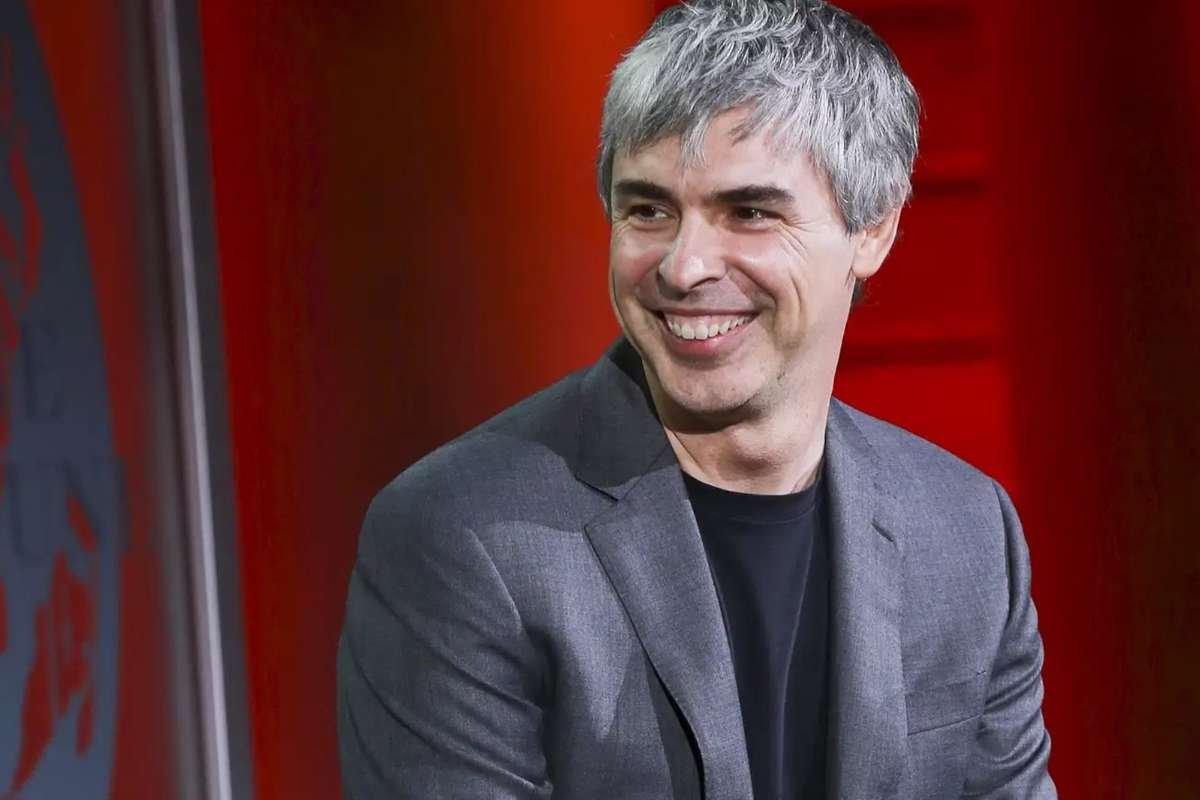
- Net Worth (Approx.): $233 Billion
- Age: 52
- State: California
- Industry: Technology, Search Engine, Artificial Intelligence
As a co-founder of Google, now Alphabet, Inc., his vast wealth reflects the enduring success and expansion of the world’s most dominant search engine and AI innovator.
6. Sergey Brin

- Net Worth (Approx.): $218 Billion
- Age: 52
- State: California
- Industry: Technology, Search Engine, Artificial Intelligence
The other co-founder of Google retains significant equity in Alphabet, benefiting from the company’s continuous growth in AI and technology infrastructure.
7. Steve Ballmer

- Net Worth (Approx.): $186 Billion
- Age: 69
- State: Washington
- Industry: Software, Sports
The former CEO of Microsoft holds a significant share of the company’s stock, and his portfolio includes ownership of the Los Angeles Clippers NBA team.
8. Michael Dell

- Net Worth (Approx.): $166 Billion
- Age: 60
- State: Texas
- Industry: Technology, Computer Hardware
Chairman and CEO of Dell Technologies, he built his fortune by revolutionizing the personal computer market and remains a powerful force in IT infrastructure, making him one of the Richest People in America.
Read Next:
- Are These Truly the Richest Families in America? The Rankings Will Shock You
- Top 10 Families Competing to Be the Richest Family in the World
9. Jensen Huang

- Net Worth (Approx.): $151 Billion
- Age: 62
- State: California
- Industry: Semiconductors, Artificial Intelligence
Co-founder and CEO of Nvidia, his wealth has recently skyrocketed due to the company’s dominance in the high-demand, high-growth field of AI and graphics processing chips.
10. Warren Buffett

- Net Worth (Approx.): $145 Billion
- Age: 95
- State: Nebraska
- Industry: Diversified Investments, Finance
Known as the “Oracle of Omaha,” his fortune comes from his masterful long-term investment strategy through the diversified conglomerate Berkshire Hathaway, demonstrating that not all of the wealthiest people in America are tech titans.
11. Jim Walton

- Net Worth (Approx.): $128 Billion
- Age: 77
- State: Arkansas
- Industry: Retail, Banking
An heir to the Walmart fortune, his wealth is tied to his significant stake in the world’s largest retail company, a key pillar among the Richest People in America.
12. Rob Walton

- Net Worth (Approx.): $126 Billion
- Age: 81
- State: Colorado
- Industry: Retail, Sports
Another heir to the Walmart legacy, he served as the company’s chairman for over two decades and holds a large percentage of its retail stock.
13. Alice Walton

- Net Worth (Approx.): $125 Billion
- Age: 75
- State: Texas
- Industry: Retail, Art
The third Walton sibling, she is known for her focus on art patronage and philanthropy, though her wealth, like her brothers’, is primarily derived from her Walmart shares.
14. Bill Gates

- Net Worth (Approx.): $122 Billion
- Age: 70
- State: Washington
- Industry: Software, Philanthropy, Global Health
Co-founder of Microsoft, he has largely divested from the company to focus on global philanthropy through the Bill & Melinda Gates Foundation, though he remains one of the Richest People in America.
15. Michael Bloomberg

- Net Worth (Approx.): $109 Billion
- Age: 83
- State: New York
- Industry: Financial Data, Media
Co-founder of Bloomberg L.P., the financial data and media company, he is a prominent figure in business, politics, and urban development.
16. Julia Flesher Koch & family

- Net Worth (Approx.): $81.2 Billion
- Age: 63
- State: New York
- Industry: Diversified Conglomerate
Her wealth originates from Koch Industries, a privately held conglomerate with diverse interests in manufacturing, energy, and chemicals.
17. Charles Koch & family

- Net Worth (Approx.): $73.8 Billion
- Age: 90
- State: Kansas
- Industry: Diversified Conglomerate
As the current Chairman and CEO of Koch Industries, he holds a vast stake in one of the largest private companies in the United States.
18. Thomas Peterffy

- Net Worth (Approx.): $73.3 Billion
- Age: 81
- State: Florida
- Industry: Finance, Brokerage
A pioneer in computerized trading, his fortune comes from founding Interactive Brokers, a leading electronic trading platform.
19. Jeff Yass

- Net Worth (Approx.): $65.7 Billion
- Age: 67
- State: Pennsylvania
- Industry: Trading, Investments
The co-founder of Susquehanna International Group, he built his wealth through quantitative trading and investments in major technology platforms.
20. Stephen Schwarzman

- Net Worth (Approx.): $51.9 Billion
- Age: 78
- State: New York
- Industry: Private Equity, Investment Management
Chairman and CEO of the Blackstone Group, he is one of the most powerful figures in global private equity and alternative asset management.
Methodology and Sources for Ranking the Richest People in America
Our ranking is based on an integrated evaluation model focused on providing a high level of transparency and precision for all evaluations. The core data is continuously sourced from authoritative financial platforms. It includes the Bloomberg Billionaires Index, which provides daily real-time updates for publicly traded assets, and the Forbes lists. For complete accuracy, we also combine mandatory SEC (Securities and Exchange Commission) filings for publicly listed equities and fixed income assets.
An individual’s net worth is determined by subtracting known liabilities from the total value of all assets owned. This includes highly unpredictable assets like shares of publicly traded companies. With more static holdings like private equity, real estate, and cash. Because stock prices fluctuate constantly. Our valuation models are subject to frequent, often hourly, monitoring and adjustments. This reflects the most comprehensive data analysis for the year’s end. We perform complete updates every quarter to reflect significant private asset valuation changes.
Read Next:
- Top 10 Richest Women in the World in 2024
- Meet the Most Successful Businessmen Who Are Changing the World
Here is the Segregation of Industry-Driven America’s Richest:
“Nearly 70% of new billionaire wealth in America comes from tech and financial innovation. The speed at which fortunes scale today is unlike any other period in U.S. economic history.” — Market Wealth Analyst, 2025. Let’s dive deep to understand how other industries are contributing to the economy.
Technology & AI
This is, by far, the most dominant wealth driver. Fortunes are built on foundational platforms in cloud computing (AWS, Google Cloud), e-commerce (Amazon), and social connectivity (Meta). The recent surge is fueled by massive investments in AI and semiconductors (Nvidia), automating industries, and creating unprecedented market capitalization.
Finance & Investments
The sheer scale of capital managed by firms in hedge funds (Citadel), private equity (Blackstone, KKR), and venture capital generates mega-billionaires. Their expertise lies in leveraging capital and optimizing corporate assets, creating immense personal wealth in the process.
Retail & E-commerce
This category blends old-money family dynasties (Walmart’s Waltons and Mars candy) with modern, digital powerhouses. The ability to control supply chains and dominate consumer access. Whether through physical stores or sophisticated e-commerce platforms. This continues to be a reliable source of lasting wealth.
Energy & Manufacturing
Traditional sectors still produce mega-billionaires, primarily through fossil fuels (Koch Industries, Continental Resources) and core manufacturing that supplies essential materials, demonstrating the enduring value of infrastructure and raw commodities.
Media, Sports & Entertainment
Wealth is also generated when cultural capital meets financial capital. This includes ownership of global sports franchises (Dallas Cowboys, LA Clippers), control of international media conglomerates, and the sale of intellectual property (Lucasfilm).
Regional Distribution of Wealth in the U.S.:
“While Silicon Valley commands today’s headlines, New York remains the financial backbone, reminiscent of the Rockefeller era.” Notes Professor Linda Marsh. An economist at NYU Stern.
The wealth of the richest people in America is not evenly spread. The West Coast’s tech hubs dominate. But East Coast finance empires reflect historical patterns from the Gilded Age.
West Coast (California, Washington)
The West Coast remains the epicenter of modern wealth, driven by innovation. California (especially Silicon Valley) and Washington are home to most tech giants (Meta, Amazon, Google) and benefit from dense startup ecosystems and unmatched access to venture capital.
East Coast (New York, Massachusetts, Connecticut)
The East Coast is the financial and media powerhouse. New York City is the global hub for finance (hedge funds, private equity), while media and traditional business empires anchor the region. Massachusetts is notable for its biotech and investment firms.
Midwest (Nebraska, Arkansas)
The Midwest holds significant legacy wealth, primarily tied to long-standing, family-owned giant corporations. Examples include the Walton family (Walmart) in Arkansas and Warren Buffett (Berkshire Hathaway) in Nebraska, representing enduring corporate success.
South (Texas, Florida)
The South is gaining rapidly. Texas and Florida attract vast fortunes from the traditional oil, energy, and real estate sectors, combined with the magnetic pull of tax advantages. This is why the Richest People in America are increasingly shifting their residences to low-tax states.
What We Can Learn from the Richest People in America?
The journeys of the ultra-wealthy reveal timeless lessons in drive and execution. They embody the mindset of calculated risk-taking, patience, and relentless ownership of their vision. Their businesses teach us the power of compounding returns, radical innovation, especially in AI, and adaptability. Their public impact is a mixed legacy of massive job creation and unprecedented philanthropy. Alongside deep questions about concentrated power and influence. Studying the patterns of the Richest People in America is essential for understanding global capital and future technological frontiers.
Expert Perspectives:
“The concentration of wealth in the hands of the top 0.1 percent has been exacerbated by a tax system that favors capital gains over labor income. This transfer of wealth, often untaxed through inheritance, deprives the government of critical resources needed to fund public goods like schools, healthcare, and infrastructure.”
— Rebecca Riddell, Senior Policy Lead for Economic Justice at Oxfam America.
Conclusion
The fortunes of the richest people in America offer an interesting viewpoint on the country’s economic development. While inheritance wealth from manufacturing and retail remains. Our in-depth analysis shows that rapid, disruptive innovation. Especially in technology, artificial intelligence, and semiconductors. It generates the great majority of new capital. These 105 people, from the financial giants of the East to the startup ecosystems of the West Coast. They represent enormous personal success. And they are the heads of international business. They will continue to influence policy, set investment trends, and determine the direction of the global economy. With their business and residential travels.
FAQ:
1. How is the net worth of the richest Americans calculated?
Net worth estimates are based on public stock holdings, private company valuations, real estate, cash, and other assets. It is minus any debts. For billionaire founders like Musk or Bezos, the bulk of their wealth is tied to company shares. This means their net worth can fluctuate by billions in a single day.
2. Why do tech founders dominate the richest people lists?
Tech companies scale faster and require fewer physical assets compared to traditional industries. This allows founders to build massive valuations quickly. Additionally, early equity ownership means founders retain significant stakes. This multiplies rapidly as the company grows.
3. Do the richest Americans pay taxes on their full wealth?
No. They pay taxes on income, not on their total net worth. Much of their wealth is held in stocks. They are only taxed when sold. This is why many billionaires use various strategies. Like borrowing against their shares or long-term holding to legally minimize tax burdens